
Bookkeeping isn’t mysterious. It’s not glamorous either. But it is the foundation of a well-run business.
If you’ve ever wondered what actually happens behind the scenes each month, this is it, spelled out clearly.
Step 1: Recording Transactions
Every financial activity in your business needs to be recorded accurately. That includes income, expenses, loan payments, owner draws, payroll, and credit card activity.
If transactions aren’t recorded correctly, nothing that follows will be reliable. This step applies to every business: construction companies, nonprofits, and professional service firms alike.
Skipping this step (or doing it inconsistently) leads to inaccurate reports and bad decision-making.
Step 2: Categorizing Transactions
Once transactions are recorded, they need to be categorized properly.
Software subscriptions, insurance premiums, equipment purchases, and payroll expenses all belong in specific categories. Proper categorization ensures your financial statements make sense and reflect reality.
Misclassified expenses distort profitability. That becomes a problem when reviewing performance or preparing for tax filing with your CPA.
Step 3: Reconciling Accounts
Reconciliation means matching your bookkeeping records to your bank and credit card statements.
This is where errors are caught.
Duplicate charges, missing transactions, incorrect entries… reconciliation ensures your books match actual cash movement.
If accounts aren’t reconciled regularly, inaccuracies compound quickly. That’s when financial reporting becomes unreliable.
Step 4: Reviewing Financial Statements
Once everything is recorded and reconciled, financial statements can be generated.
The key reports include:
- Profit and Loss Statement
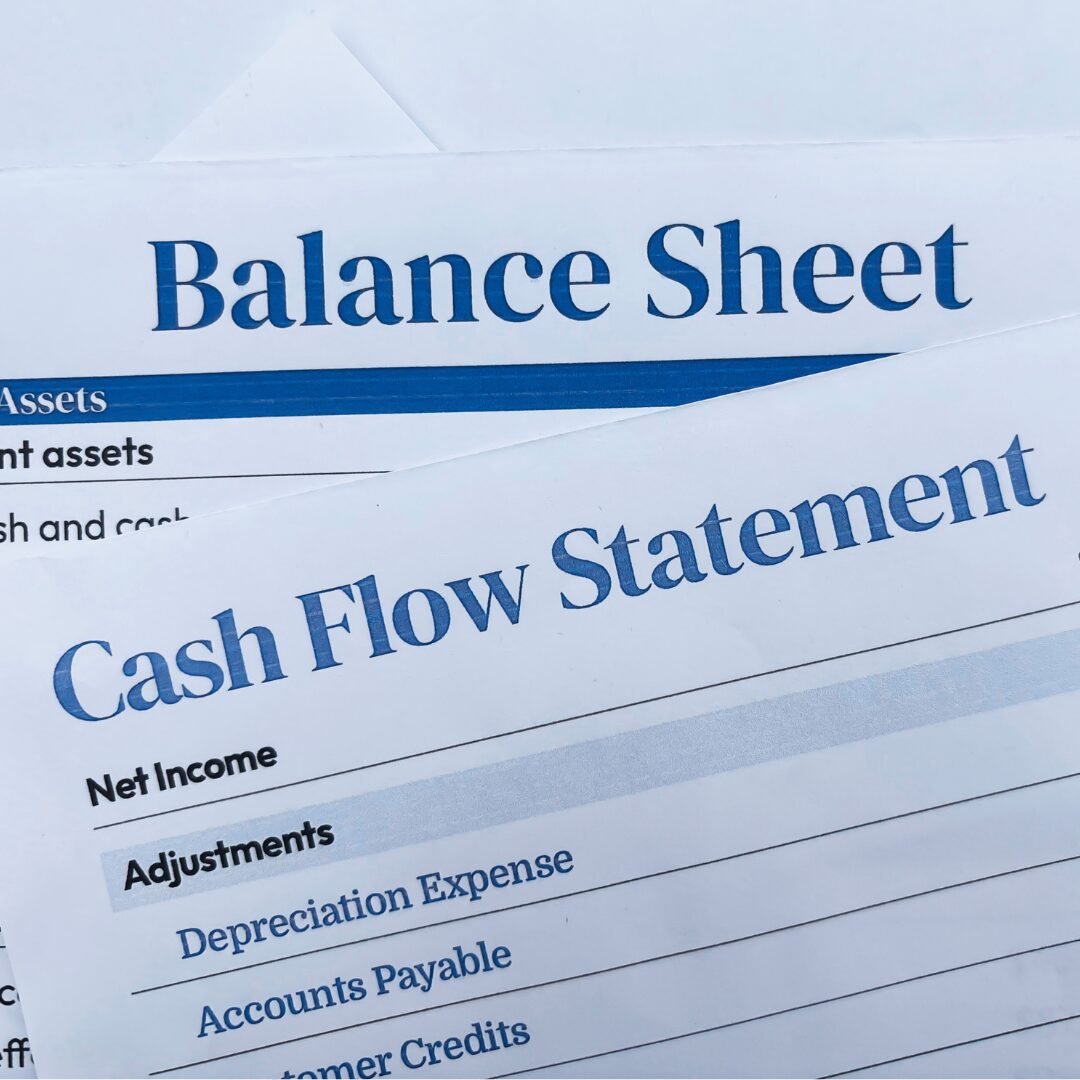
- Balance Sheet
- Cash Flow Statement
These reports show:
- Whether your business is profitable
- Where your money is going
- What you owe
- What you own
- How stable your cash flow is
Without clean bookkeeping, these reports are just guesses.
Step 5: Ongoing Oversight and Adjustments
Bookkeeping isn’t a one-time task. It’s a process that happens consistently, typically monthly.
Adjustments may be required for prepaid expenses, accrued costs, loan interest, or payroll liabilities. Staying on top of these ensures compliance and accuracy.
Who This Applies To
The bookkeeping process applies to any business that wants accurate financial visibility.
If you operate an LLC, S-Corporation, nonprofit, or growing construction company, these steps are not optional. They are foundational.
Why It Matters
When bookkeeping is handled correctly, financial decisions become easier.
When it’s not, business owners operate on assumptions instead of data.
There’s no magic involved. Just structure, consistency, and attention to detail.
Conclusion
If you’re unsure whether your bookkeeping process is structured correctly or if it’s happening consistently, Thornley & Knight can help. We focus on clarity, accuracy, and steady financial oversight so business owners can operate with confidence instead of uncertainty.
Contact us to learn how we can support your bookkeeping process.
Clear Books. Better Decisions.